
Journal Quilts: Stitching Stories Through Fabric
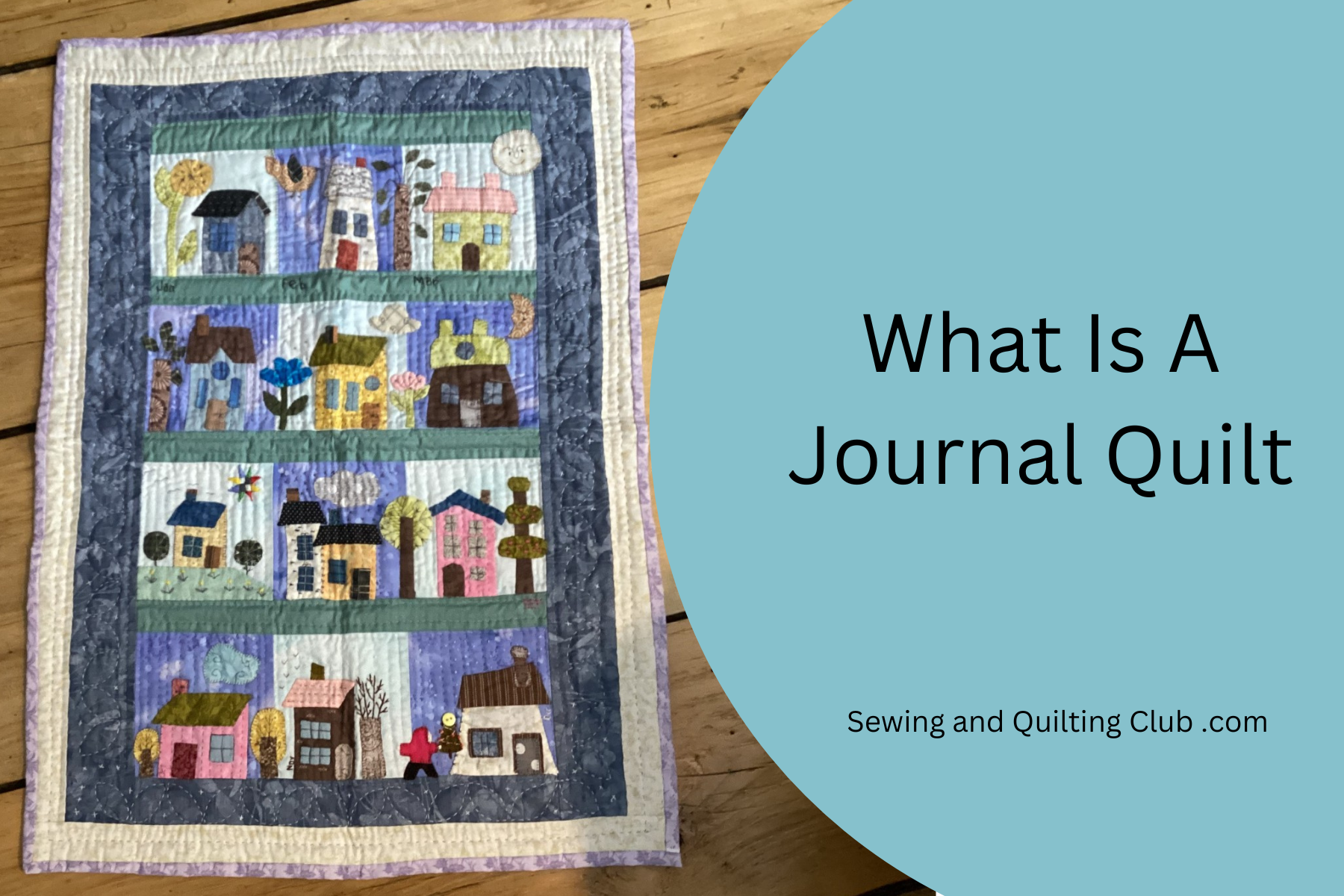
Journal quilts are a fascinating form of textile art that blend life stories with fabric and thread. These aren’t your typical quilts meant just for warmth or decoration. Instead, think of them as bite-sized reflections of the quilter’s thoughts, feelings, and experiences, crafted on a 9×12-inch canvas. Each one is a stitched memory, a piece of art that captures moments in time.
Origins and Evolution of Journal Quilts
The concept of journal quilts might seem relatively new, but their origins go way back. Initially, these small quilts began as a way for individuals to explore personal expression in a manageable size. They were born from traditional quilting practices yet evolved into something deeply introspective. Artists found that pairing creative stitching with personal reflection offered profound satisfaction, helping them convey stories and emotions in a unique way.
As time moved forward, the historical trajectory of journal quilts transformed them from simple fabric pieces into powerful storytelling tools. With roots in traditional quilting, these art forms evolved with every passing cultural wave, incorporating trends, techniques, and even new materials. Today, they stand as a testament to textile versatility and the ever-changing nature of artistic expression.
Influential Artists and Cultural Impact
Trailblazing artists have been instrumental in shaping this creative niche. Names like Jeanne Williamson and Lesley Riley are well known in journal quilt circles for their pioneering contributions. By experimenting with themes, stitches, and materials, they pushed creative boundaries and inspired a new generation of quilters eager to tell their stories through fabric.
Cultural and societal shifts have also left their mark on journal quilts. Each piece reflects not only personal narratives but also broader social experiences. From themes of love and loss to historical events or cultural milestones, these quilts have become a canvas for capturing human stories within the context of changing times.
Recognition as an Art Form
Recognition of journal quilts as a legitimate artistic medium has grown significantly. Art exhibitions and quilt shows now proudly feature them, and their presence is increasingly visible on the global art stage. These showcases celebrate not only the craftsmanship behind each quilt but also the deeply personal narratives stitched into every piece.
Crafting Your Personal Story: Step-by-Step Guide to Making a Journal Quilt
Gather Your Materials
Diving into the world of journal quilts can be incredibly rewarding when you start with the right tools. Fortunately, you don’t need much—just fabric scraps, needles, thread, and a bit of creativity. You might also want to include embellishments such as buttons or beads to add texture and visual interest.
Choose Your Theme or Emotion
The design stage is where your personal voice shines. Select a theme or feeling you’d like to express. It could be a meaningful recent experience or simply a color palette that reflects your current mood. Colors and patterns can be powerful storytelling elements.
Use Simple Sewing Techniques
When assembling your quilt, basic sewing skills go a long way. Even if you’re not an experienced quilter, stitching simple shapes or outlining a scene can create strong visual impact. The key is to work slowly and intentionally—you don’t need advanced skills to create something meaningful.
Mix Media for Deeper Storytelling
This is where creativity truly expands. Don’t feel limited to fabric alone. Consider incorporating photographs, handwritten notes, or small keepsakes. These elements enrich your quilt and transform it into a layered record of personal history.
Let Your Stitches Speak
Stitch patterns can carry meaning of their own. Try experimenting with new stitches or even inventing your own. Each movement of the needle can add texture, symbolism, and narrative depth. Think of stitches as your pen and fabric as your page.
Document Your Process
To deepen the significance of your work, consider journaling alongside your quilting. Write down why you chose certain colors, materials, or symbols and what each section represents. Over time, these notes can become part of the quilt’s story or serve as a meaningful record of your creative journey.
Learn from Other Journal Quilters
One of the best ways to grow is by learning from those with experience. Explore examples, read case studies, or listen to stories from seasoned journal quilters. Their insights can spark new ideas and introduce techniques you may never have considered.
You might want to read also:
- What is a Mandala Quilt, create your own design on your next quilting project.