
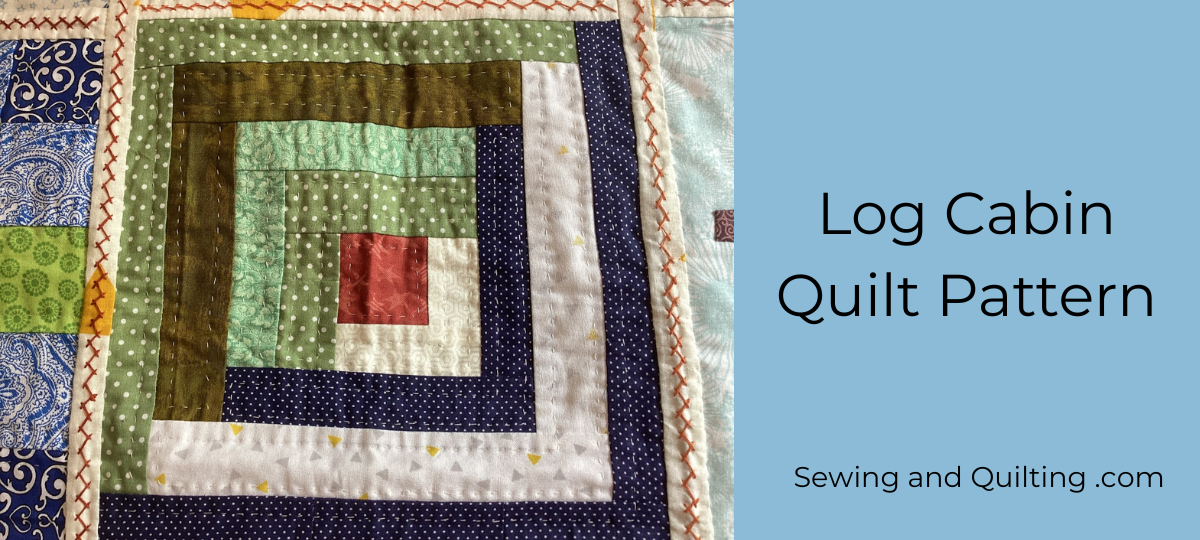
A Log Cabin quilt pattern isn’t just a design; it’s a piece of artistry made with smaller squares or rectangles built around a central square, often known as the ‘heart’ of the quilt. Each piece or log represents a step in constructing the quilt, creating its distinctive geometric appearance. This pattern is known for its simple yet stunning structure.
The design typically symbolizes home and warmth with its central square, frequently shaded in a light or warm color representing the hearth. The surrounding strips, or logs, create a spiral or step ladder effect, traditionally alternating between light and dark fabrics to enhance the contrast and visual impact.
You’ll find common variations like the Barn Raising, Fields and Furrows, and Light and Dark layouts. Each variant brings to life the unique play of light and shadow, making every quilt a visual narrative. These variations highlight the flexibility and richness of the pattern, with each telling its own story.
Creating a log cabin quilt requires a few essential materials and tools such as cotton fabrics, a rotary cutter, a quilting ruler, and a sewing machine. It’s crucial to choose high-quality fabric because it impacts the quilt’s longevity. You also need an eye for color to pick contrasting fabrics that give the pattern its signature look.
The magic lies in the contrast between the light and dark fabrics. It’s what gives the Log Cabin quilt its defined lines and vibrant personality. Effective color use not only enhances the beauty but also the depth of each quilt square, showcasing the intricate interplay this classic pattern is known for.
The Rich History of the Log Cabin Quilt Pattern
The origins of the Log Cabin quilt pattern are wrapped in both legend and practicality, tracing back to the early days of American settlement. It’s believed that this pattern grew in popularity during the 1800s, symbolizing the simplicity and warmth of the American pioneer spirit. The name itself reflects the essence of frontier life, where log cabins were home, providing shelter and comfort.
During the American Civil War, these quilts carried deeper meanings. They were sometimes crafted with a red center square, symbolizing the hearth, or occasionally with black centers, signifying safe houses for those on the Underground Railroad. This added a layer of symbolism and storytelling to the quilters’ craft.
Log Cabin quilts often became community projects, with women gathering to work on these quilts, fostering social bonds and creating shared stories. It was more than just quilting; it was a celebration of community and solidarity. This tradition of collaboration survives, as quilting bees and group projects still help preserve this connection.
Over time, quilting techniques have seen an evolution, thanks to advancements in technology and shifts in artistic expression. While the core of the Log Cabin pattern remains unchanged, modern quilters have introduced new methods and fabric choices, breathing fresh life into this classic design. Today, these quilts can be found in both traditional settings and contemporary art spaces, showcasing the pattern’s versatility and enduring appeal.
The Log Cabin quilt pattern not only stands as a testament to history but also as a creative canvas for quilters to convey personal stories and cultural heritage. Whether you’re a seasoned quilter or a newbie, understanding this rich lineage connects you to a long tradition of artisans who wove stories out of fabric and thread.
You can also read:
Common Mistakes In Quilt As You Go, this is an easy way to make your new quilting project.
–